By emptying or cleaning the RAM, you free up space for data really useful to your current tasks. This eliminates inactive processes and unnecessary cache files, which improves the overall performance of your computer.
Why clear your computer's RAM?
A gradual slowdown in the computer is often linked to a Strong use of RAM (RAM). This is automatically requested by the operating system and its processes, but also by each application that you open. Even after closing certain programs, memory is not completely released. Many files remain saved in the cache and continue to occupy space. In addition, certain processes remain active in the background without being really useful.
Domain name
Your domain in one click
- Domain .eu or .fr + free site publisher for 6 months
- 1 SSL WildCard certificate per contract
- 2 GB email box
Even if you are not sure that the system memory of your computer is saturated, it is recommended to try to empty it. This operation is without risk, because it only anticipates a process that takes place automatically when the computer is stopped. Under Windows, you have three main methods to clean the memory of your PC:
- Use it Task manager To identify and close unnecessary processes.
- Create and execute a script dedicated to cleaning the RAM.
- Resort to a Third party tool allowing to empty the RAM cache with one click.
Empty the RAM via the task manager
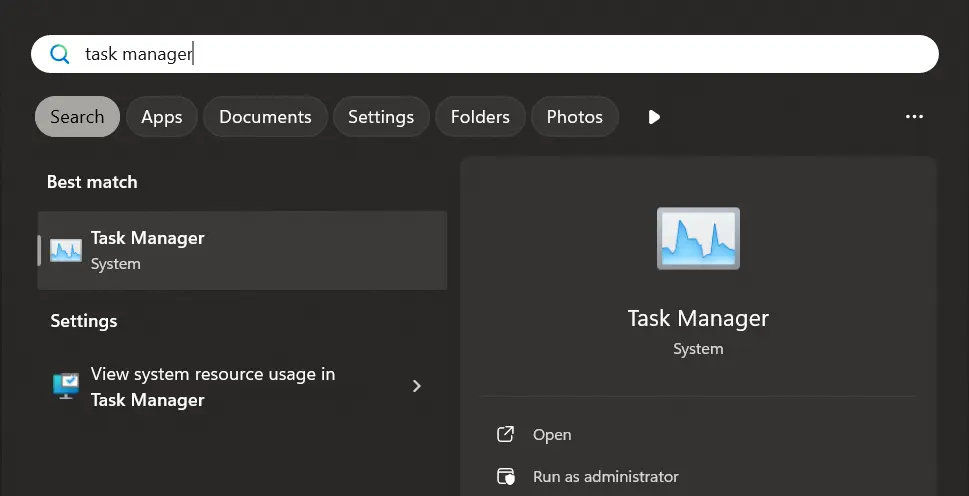
The Windows task manager displays the Applications, services and processes in progressas well as theUse of processor (CPU) and RAM (RAM). To open it, use the keyboard shortcut [Ctrl] + [Maj] + [Échap] By pressing the three keys simultaneously. You can also search for it via the Windows search bar by simply typing « task manager ».
Once the task manager is open, go to the tab » Process ». This tab displays all the processes being executed as well as their impact on system resources, in particular the RAM.
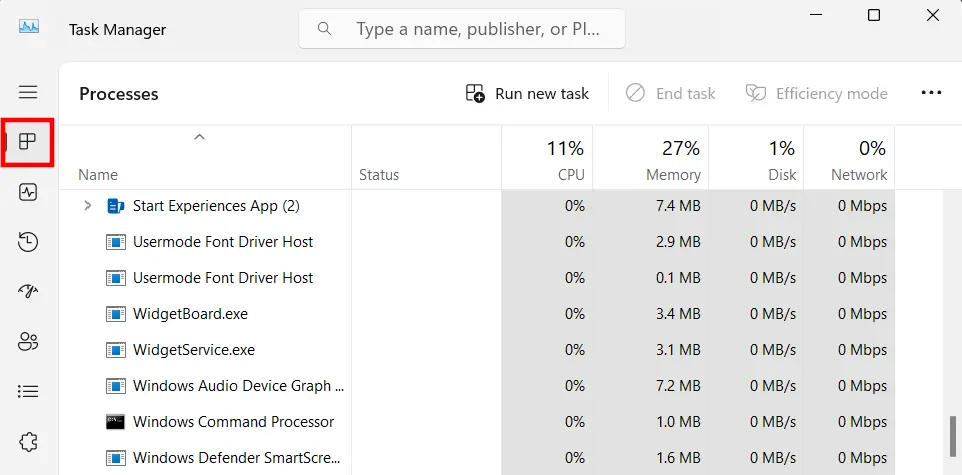
Then review the list of active process And identify those you don't need, for example because you have already closed the associated application. Select the processes concerned with a left or right click, then click on » End of the task To close them permanently and thus release the memory.
Empty the RAM using a script
An interesting alternative to memory management via the task manager consists of create a script which automatically releases a certain amount of memory used when executed. A simple text document is enough for that. Here's how to create a memory emptying script:
- Right click on the desktop, then select » New> Text document »In the context menu.
- Open the text file created, then insert the following line:
FreeMem = Space(32000000)TXT
- Then save the file Under the name of your choiceensuring that the encoding is defined on ANSI (if your publisher offers it).
- Finally, replace the extension
.txtby.vbs. This change allows Windows to recognize that it is a script.
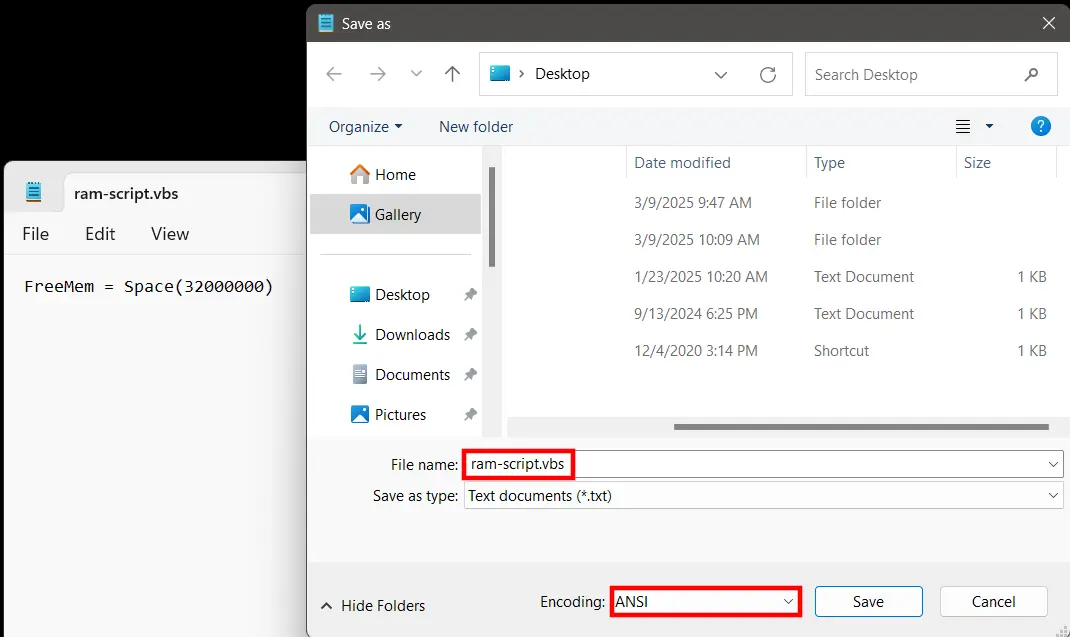
You can now run the script with a single double-click. The proposed code automatically releases 32 MEGAOCTETS OF RAM. This operation can be repeated as many times as necessary. It is of course possible to adjust the quantity released, for example to 128 mega -typles by replacing the line by Space(128000000). However, be careful not to exceed half of the total capacity of your system memory, under penalty of causing program errors or even a system crash.
Empty the RAM with an external tool
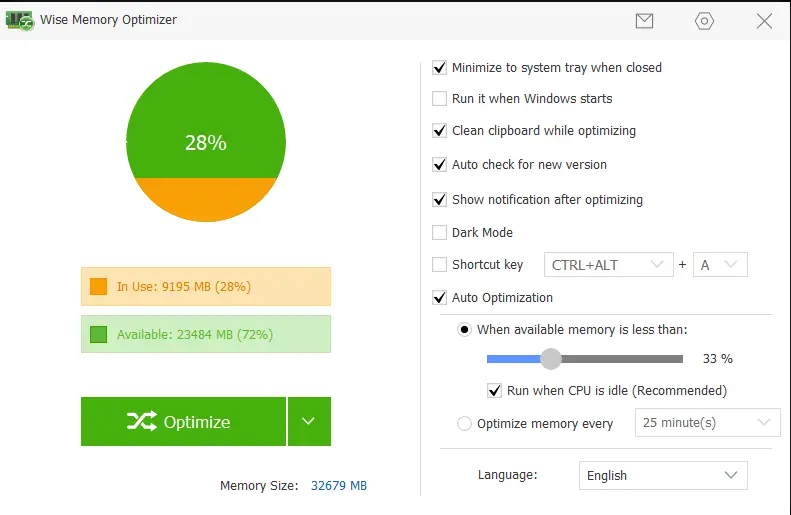
If you prefer to use an external solution rather than the integrated Windows options, it is quite possible: several programs have been specially designed for this purpose, many of which are free. One of the most popular tools is Wise Memory Optimizer. This 100 % free software is Compatible with all common versions of Windows. Once installed and launched, Wise Memory Optimizer displays an overview of the memory used and available. By clicking on » Accelerate your PC », You can release the RAM from your Windows 11, 10, etc. system,
Note
In Wise Memory Optimizer settings, you can activate automatic optimization. Thanks to a cursor, you define the memory occupation threshold from which cleaning execates automatically (for example, when less than 33 % RAM are available).